June 16, 2026
A Better Fire for Bison Steaks
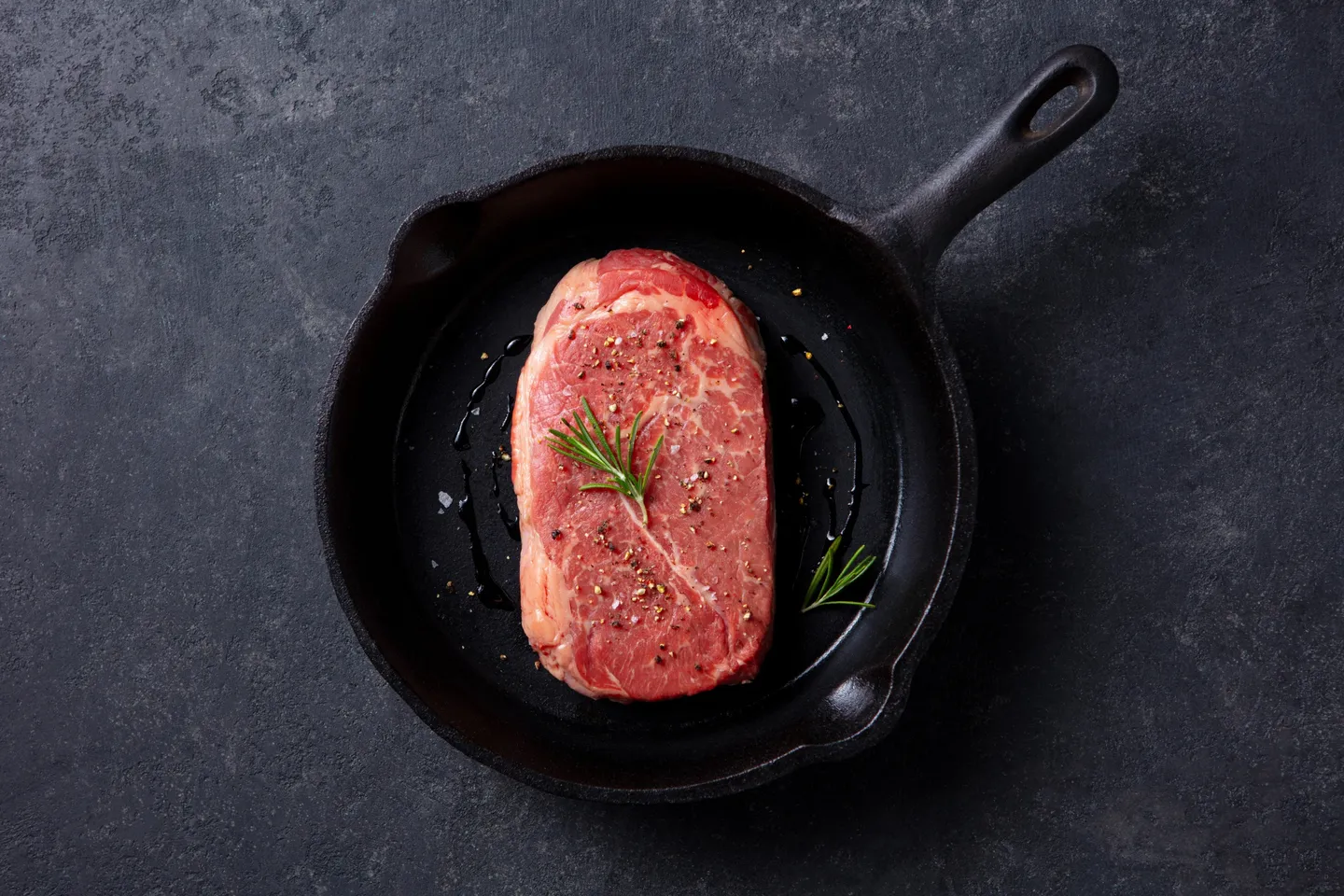
Some steaks do fine over a roaring fire and a little showing off. Bison isn’t one of them. It isn’t fussy, but it is lean, and there isn’t much fat standing between “just right” and “well, that’s a shame.”
Start With Less Heat
Let the steak sit out long enough to lose the chill from the refrigerator. Salt it, and pepper it if you like. A little oil is fine. Good meat doesn’t need a whole shelf of seasoning.
Cook it over steadier heat than you’d use for a beef steak. A cast-iron pan works well, and so does a grill if you keep one side cooler so you can move the steak off the direct heat. Bison cooks faster than beef, so start checking early.
Use a thermometer. It isn’t fancy cooking, just the easiest way to get it right.
Pull It Early
The USDA’s safe minimum for steaks and roasts is 145°F, with a 3-minute rest. Ground meat should reach 160°F. Those numbers matter, especially when you’re cooking for someone else.
Bison gets to 145°F faster than beef does, so don’t cook a bison steak like a well-marbled beef ribeye and expect it to turn out the same.
Take it off sooner than your instinct says, let it rest, and slice it across the grain. If you want butter on top, we won’t argue.
What You’re After
A good bison steak tastes rich without being heavy, with a clean flavor and a little sweetness from an animal that spent its life on grass. Cook it carefully and eat it while it’s hot.